When it comes to buying ski equipment, ski boots should be at the top of your list. Having comfortable or uncomfortable boots can make or break your idea of skiing as a whole, so it is well worth the investment of time and money to get the right ones for you. A great pair will last you for years, save you time at the rental shops trying on countless pairs and can be easily transported around the globe in purposely designed boot bags. Here are 5 considerations when choosing your perfect ski boot.
1. What type of skier are you?
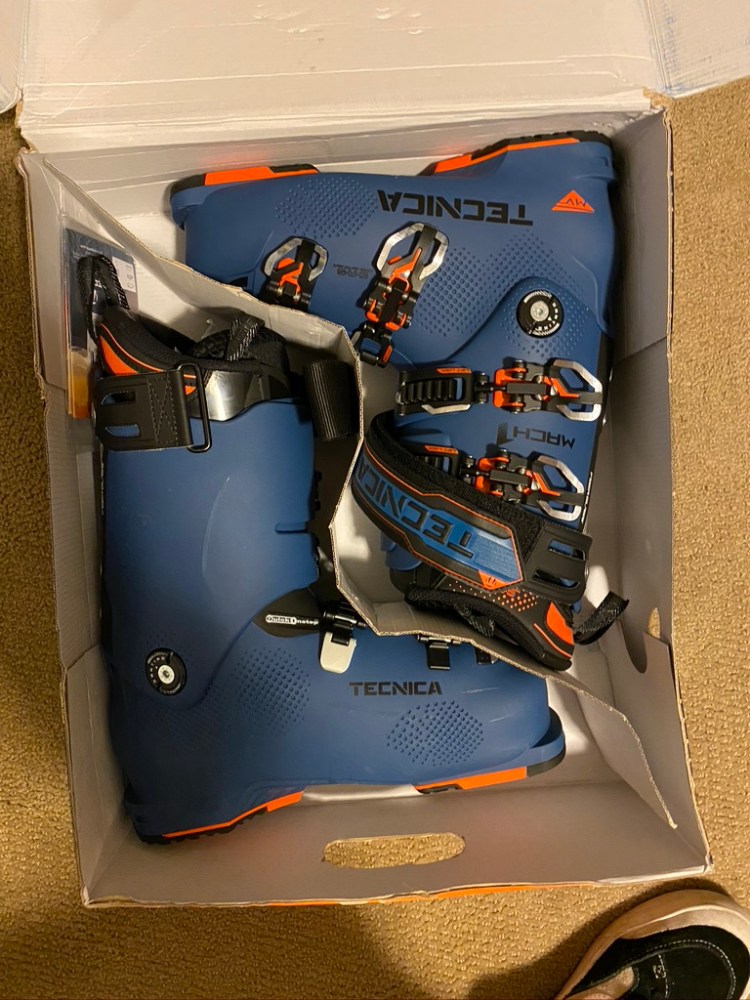
As with all sporting equipment there is considerable variation with what is on the market when it comes to design, usage and price tag. The differences you find in ski boots will relate to your ability level and the type of skiing that you enjoy. For example, a softer boot with a generous flex will be better suited to beginner to intermediate level skiers. It will bend easily when needed and will likely offer more comfort for those not used to being in ski boots. On the other hand, a stiffer boot with less flex would be preferred by advanced or aggressive skiers as they will benefit from the extra responsiveness and added performance that it will promote.
2. What will you use it most for?
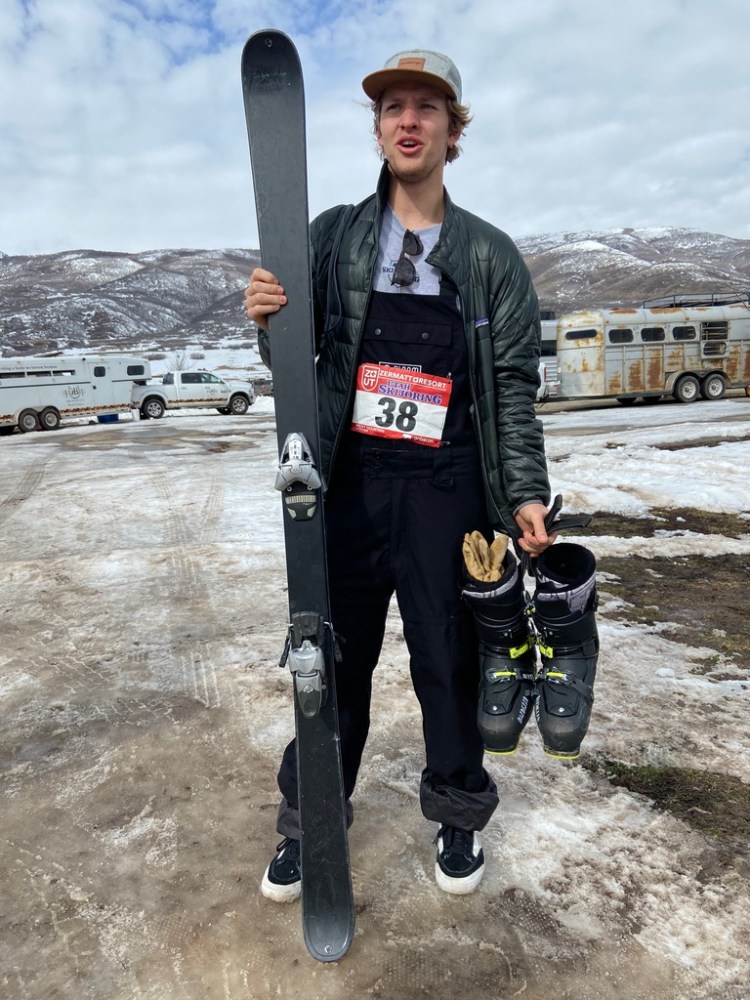
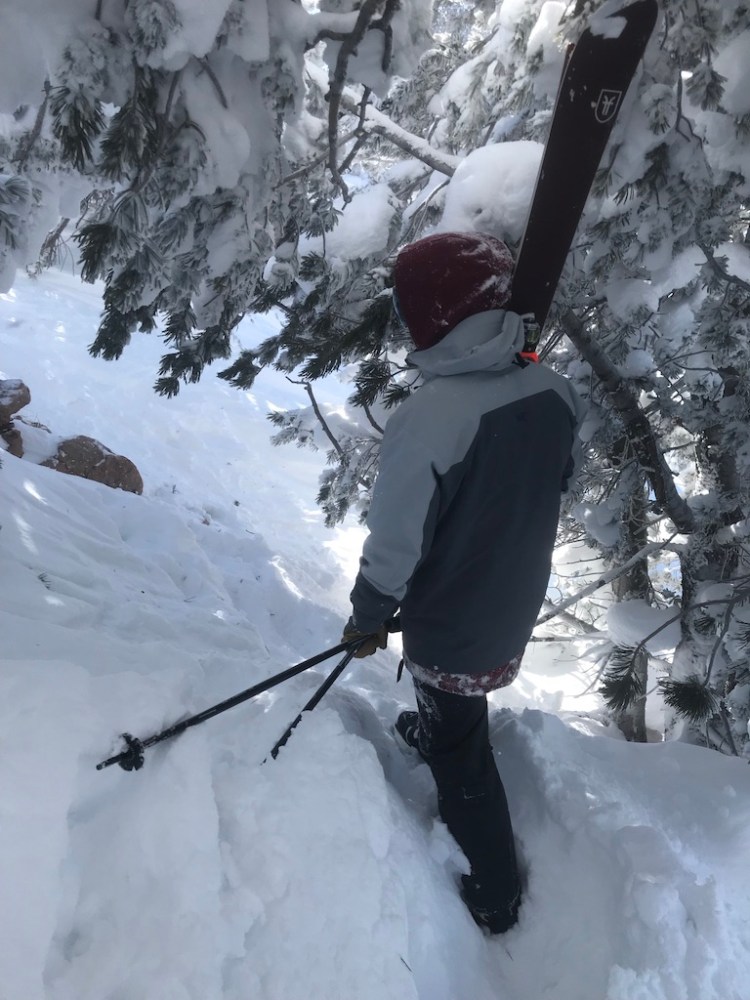
As obvious as this may seem, it is worth taking a moment to envision the circumstances in which you will be using your ski boot. For example, if you are someone with an interest in backcountry skiing, you may want to invest in some touring boots that have both a downhill and walk mode. This means that the cuff of the boot – the section on your lower leg – can either be locked into a fixed `ski mode` for going downhill or can be `free` – allowing some back and forth movement for walking or touring. This walk mode would also be a useful feature for those that enjoy Après ski and maybe in the bars for several hours once they finish skiing; not an uncommon occurrence in Europe.
3. What is your budget?
Now that you have zoned in on what you want your ski boot to do for you, it is important to consider your budget. You will find a large variation in this, but generally speaking you get what you pay for and as a whole – ski boots are pricey. If you are a beginner or occasional skier – there is no need to go all out on all of the latest features, gadgets and accessories, but you do still need a quality, well-fitted boot. For skiers who are on the slopes frequently, it is money well spent to find something that will last for a long time, deliver in its performance and keep you comfortable for years. Heat molding, custom foot beds and even electronic boot warms (if you are prone to cold feet) are some of the additions that you can opt for with new boots.
4. Know your foot
The more you know about your feet and what the problem areas are (if any) the better. While a professional boot fitter will be trained in orthotics, any information or history you have is useful. If your circulation is poor or you have difficulty with finding regular footwear – share that information with the boot fitter. Many brands are better matched to certain foot shapes, and at the same time less suited for others. For example, if you have a particularly wide or deep foot, you may find that a Tecnica or Salomon boot accommodate your feet well, where as a pair of Dalbellos may not. To summarize, the more you know about your own foot shape – the easier it will be for your boot fitter to focus on the right brands.
5. Find a reputable dealer
Professional boot fitters should be experienced and knowledgeable but do your research first to make sure that you are choosing one that comes well recommended. Asking friends, acquaintances, your ski instructor or ski industry professional is a good way to find one. And, while they are very clued up on this – do listen to your own body and communicate as best as you can to them. After all, only you know how they feel. It is not uncommon for the first day or so to take a bit of getting used to, and sometimes slightly sore pressure points may become apparent. If they do you can take the boots back to the fitter and have the shell itself re-shaped to relieve the pressure. Blisters, excessive tightness and moderate discomfort however are not normal and should not be ignored. If this does happen, go at once back to the fitter and keep working with them until they are comfortable. `Powering through` when boots are very uncomfortable create problem areas that are then very difficult to negate even with well-fitting boots and can also lead to long term damage.
 Steve Skis