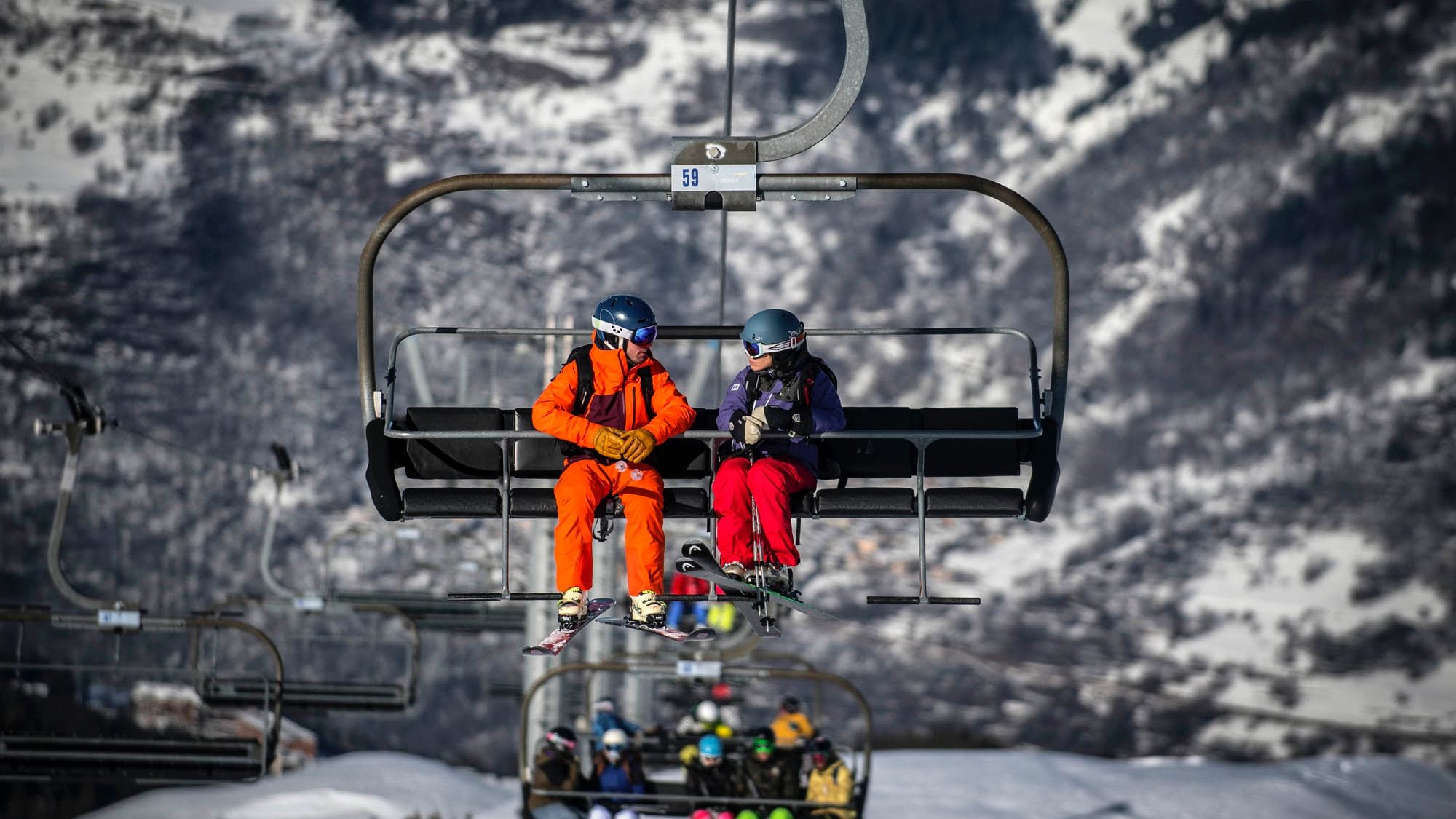
What Holds You Back from Becoming a Better Skier?
Why are you being a big cry baby, and giving up after only an hour on the mountain?
What aspects of skiing are scaring you from progressing into a more accomplished skier?
Becoming a good skier is as simple as you’d think; the theory is easy to understand, however the execution is hard. Skiing is not something that is learned with a full stop at the end. Get it, got it…good.
Well, not really.
Skiing is something you can keep learning and derive great pleasure from becoming more competent. As you become a stronger skier you open up new possibilities on the mountain, but often learning new skills is just a pleasure in itself. Have you found yourself stuck on a plateau or just convinced that you’re as good as you’ll ever be at skiing? You may not realize it, but you could be making up excuses that prevent you from becoming a better skier.
5 Excuses Stopping You From Becoming A Better Skier
If you feel like you haven’t progressed your skiing in a long time, it doesn’t mean it’s not possible. Now more than ever, improving your skiing has never been easier.
With better equipment that allows you to try new things (aka fat skis – hello off-piste!), specifically designated beginner zones and ski schools offering ‘experiences’ as well as lessons – the possibilities for ski improvement are really endless these days. Whatever level you’re stuck at, there is always a way to move past it and get better.
If one of these excuses resonate with you, maybe you’re unintentionally stopping your ski progression. And how you can fix it!
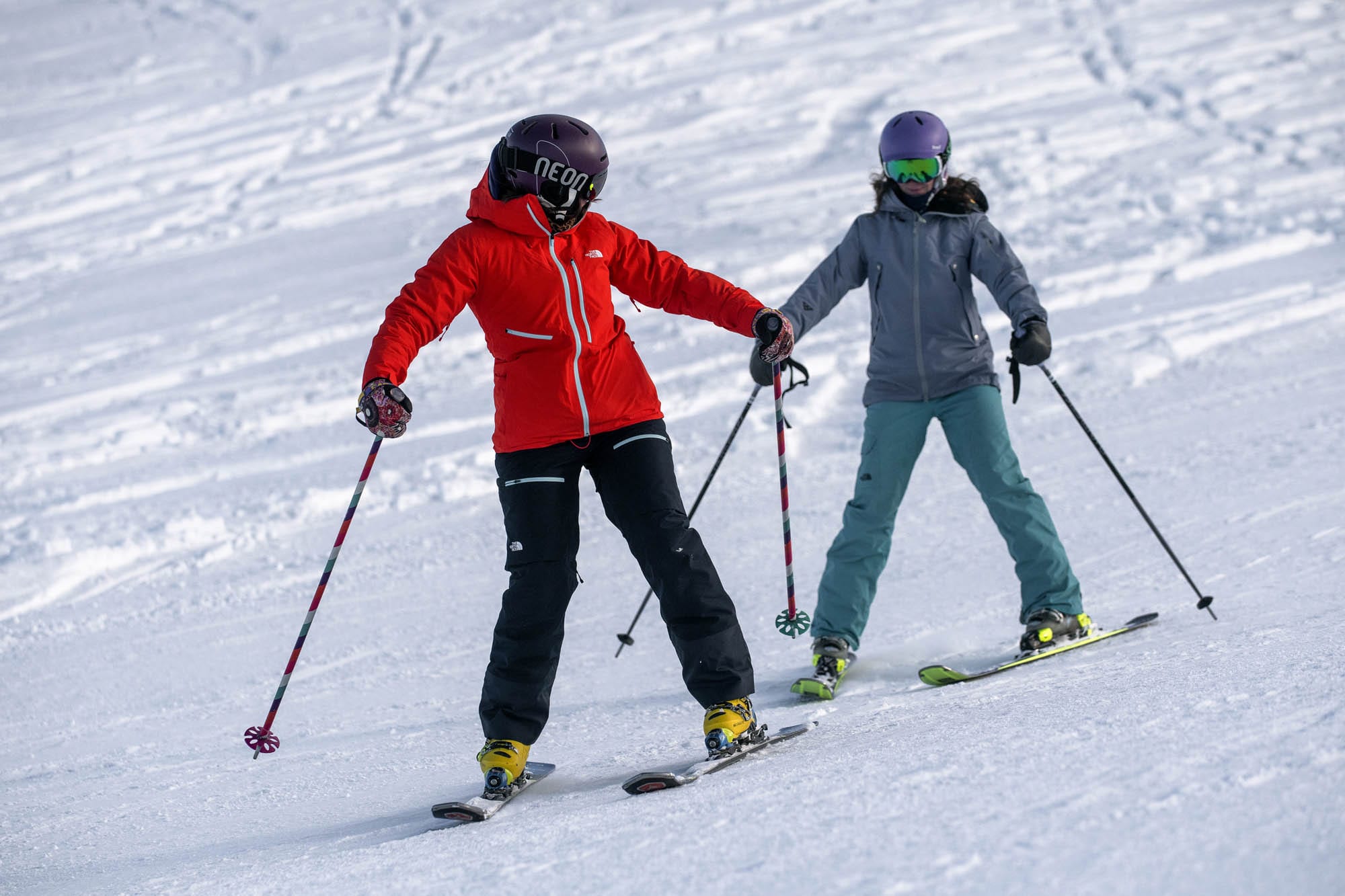
Excuse #1 – I can snowplough everywhere but I am resigned to a life of ploughing
Don’t stop here! Snowplough is sometimes essential but defensive, physical and tricky to take onto anything other than a relatively flat slope.
Learning to ski with your skis together is more natural, less tiring and more versatile. In other words, you can get about better and without fatigue. Furthermore, you can still ski at low speeds and on easy slopes – no one says parallel is linked to fast and steep.
Excuse #2 – I can ‘get about’ in an ungainly but effective fashion and go where I need to.
OK but don’t settle for that. This probably resigns you to a ski life of feeling happy on easy to medium slopes and then a life of struggle on anything harder.
Aim to become a competent parallel skier. The coordination and accuracy you learn from a little more effort will instantly pay from making any tougher slope that little bit easier.
Excuse #3 – I can ski on any groomed slope but I can’t ski on choppy or inconsistent snow.
Exactly the reason to seek how to tackle terrain that is not always smooth and groomed! If you are already a strong parallel skier then it is a small step to learn the tactical changes and adjustments to tackle bumpy runs or mixed snow conditions. This then gives you a whole new area to practice and master and will ultimately make you a more rounded and able skier. Almost more than technique, learning a few tactical adaptions will allow you to use your technique in environments that you never thought possible.
Excuse #4 – I’ve skied for decades and ski very well. What is there worthwhile to learn?
Skiing is a sport of sensations! Go and get some! If you can ski on the piste well then change those skis and try some skis that are shaped for speed and carving. Most recreational skiers have their ‘one stock turn’ that they do but the difference in design between skis of today means that a short stiff carving ski offers you a completely new set of sensations to an all mountain ski. Try it! The skis of today offer so much variation that just by swapping skis you can have a whole new experience!
Excuse #5 – I want to ski off-piste but I have heard it’s really difficult.
Not anymore! If you can ski parallel competently then there is no reason to not grab a guide and a pair of fat skis and get stuck in. Wider, softer skis designed to help flotation in bottomless powder means that you ‘surf’ in the soft stuff which is much easier than skiing on pencil-thin skis that would sink deep into the snow with every turn. The equipment has made skiing powder an accessible dream to good, intermediate skiers – don’t give up before even checking if it is possible!
Don’t be silly I’m still gonna send it
To preface anything I talk about in this blog, you need to watch this video.
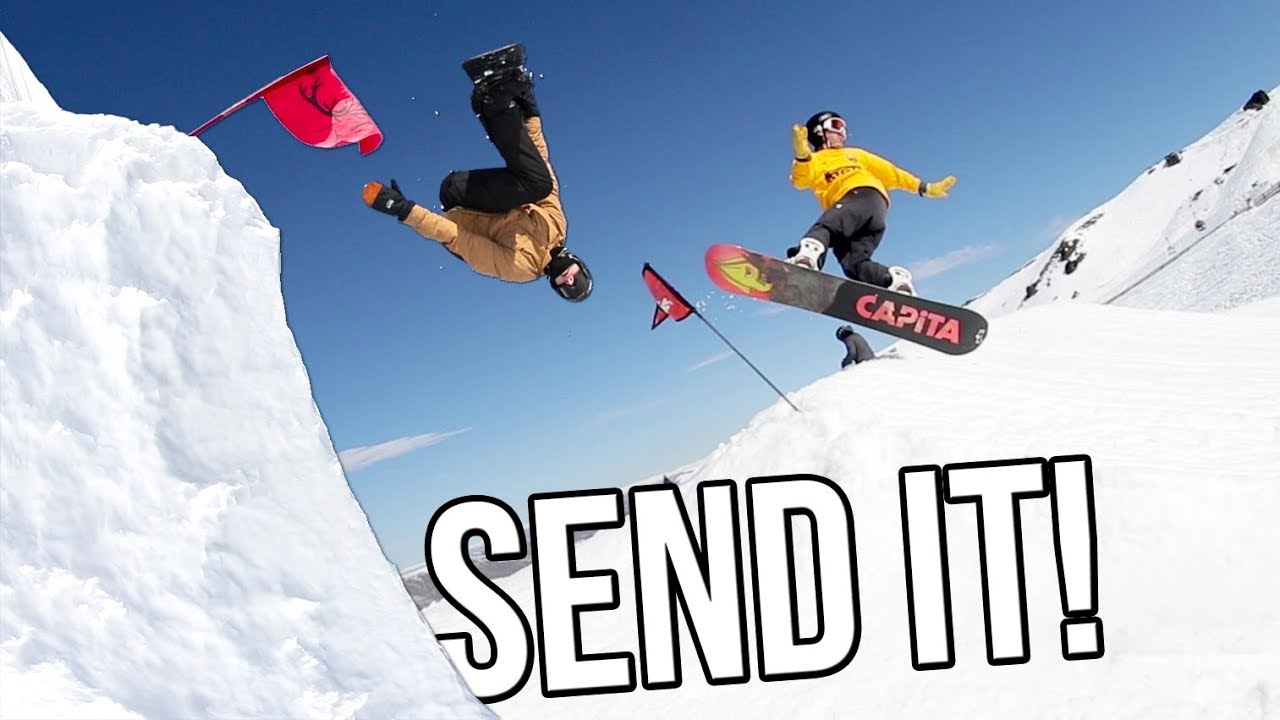
The utter recklessness of this video embodies the term “Send it.” There is no going back, you’re hucking and praying, (another ski term meaning you’re just going to try the trick and probably eat it) and doing so for the entertainment of the crew.
Where does the term “Send It” come from?
Julian Finney / Getty Images
In rock climbing, a send is a run in which a climber completes a route without falling or resting. To send is to complete such a run. The term—said to originate in climbing slang in the 1990s and possibly inspired by the notion of sending as “delivering” on a promise—spread to snowboarding, skiing, mountain-biking, and skateboarding. In these extreme sports, to send is to perform a run cleanly and flawlessly.
For the high-octane snowboarder or skier, going full send is like grabbing the bull by its horns, launching confidently into a run even if it means crashing spectacularly. This expression is evidenced by at least 2015.NORTHEASTRIDERS@NortheastRiders
@kianmalone23 Mute Full Send :: #N3R #sendit #snowboarding #shr3d

7Twitter Ads info and privacySee NORTHEASTRIDERS’s other Tweets
One skier, Colton Hardy, helped popularize full send through his social media (@jerryoftheday) in 2015. Hardy took to using full send for doing something hardcore—especially when sharing clips of people wiping out.Jerry of the Day@jerryoftheday
When you a dog but Full Send is life #spiritanimal #pointem
->(http://www.jerryoftheday.net )<-

38Twitter Ads info and privacy21 people are talking about this
What seems to have really pushed full send over the edge, as it were, were viral videos from early 2017 of a Canadian man, Larry Enticer, performing jumps on a snowmobile—and wiping out. In the videos and when sharing them on social media, Enticer often used send it before inevitably crashing.Larry Enticer@LarryEnticer
WhEn ShEs nOT sUre If She WAntS tO seNd YoU NudEs
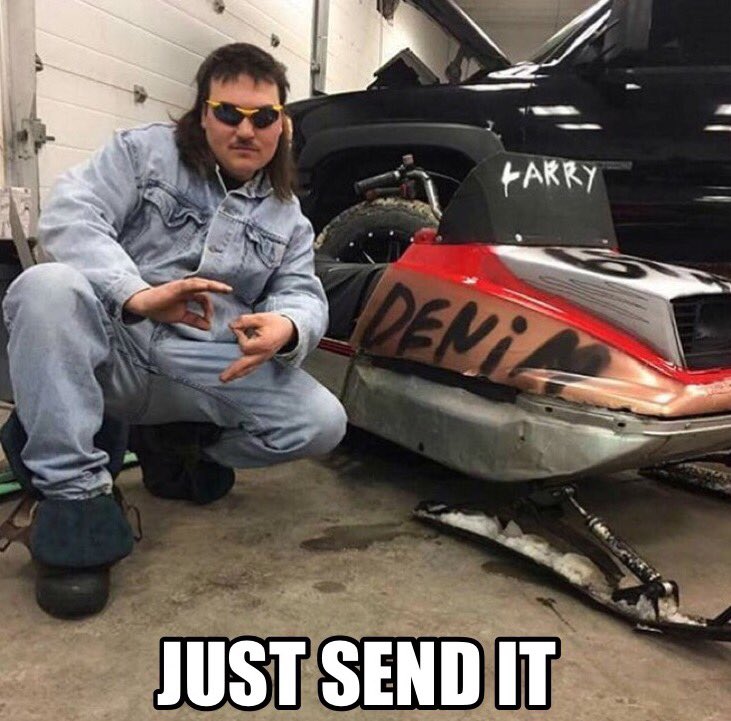
377Twitter Ads info and privacy243 people are talking about this
Thanks to the popularity of Enticer’s videos and his send it catchphrase, full send spread outside of extreme sports as a comment on reckless stunts that end in (usually humorous) failure.
Full Send @ Beer Olympics Yesterday pic.twitter.com/bNbjs5M0P4
How to not look like an absolute Jerry
There are several terms that are explicitly derogatory towards all new/inexperienced skiers. The first is Jerry.
Jerry noun:
- One who demonstrates complete and utter ignorance in their sport, mostly in skiing. (courtesy of urbandictionary.com)
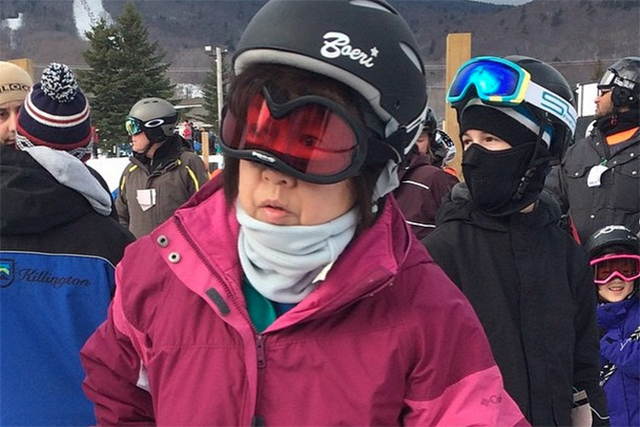
Gaper [gey-per] noun:
1.A skier or snowboarder who is completely clueless.
2. An acronym meaning Guaranteed Accident Prone on Every Run. (yet again courtesy urbandictionary.com)
This evening, ladies and gentlemen, I offer a few pointers from a local which should not only make you more fashionable on the slopes, but also improve your overall skiing experience. Without further ado, Steve’s helpful hints:
Rule #1: No Jeans. Ever. I know Shaun White and the U.S. Snowboarding team just wore denim styled snowboard pants at the Olympics, but the jury is still out on these. If for some reason you must wear your Levi’s on the slope, at the very least, please do not tuck them into your boots.
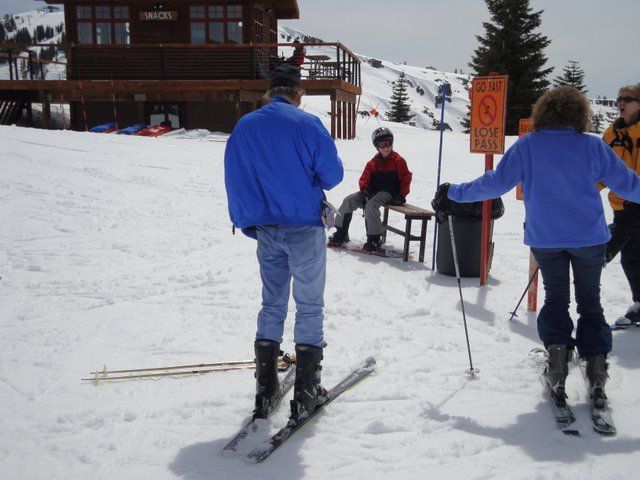
Rule #2: Use courtesy when putting down the bar on the lifts. We understand that not everyone is comfortable riding without the safety bar down, but it makes for an awkward ride up when you crack the guy sitting next to you on the helmet before the chair has even left the lift house. Give everyone a few seconds to settle in and then ask, “Hey, do you mind if we put the bar down?”
Rule #3: When you tuck on a catwalk, be conscious of where poles are. If they’re in your armpits, chances are they’re pointing straight up to the sky and signaling to the entire mountain that you don’t know what you’re doing. This is known as a “Texas tuck,” and it is not good form. Instead, cross your hands behind your back and your poles will remain in a neutral, ground-pointing direction.
Rule #4: Mind your “Gaper Gap.” Good: You’re wearing a helmet. Bad: You’re feeling a draft across your forehead. Problem: You’ve got a gaper gap; a significant gap between your helmet (or hat) and goggles. Exposing your forehead to the elements can leave you both chilly and with a ridiculous sunburn. Solution: Wear a headband or hat under your helmet, pull you helmet down or push your goggles up, or bring your helmet when you buy a new pair of goggles to make sure they sync up well and vice-versa.
Rule #5: Surprisingly, one-pieces and neon colors are in. Leave the cowboy hat and Starter jackets at home and break out the green and pink jacket with the purple pants. If anyone questions you tell them you’re being “ironic” and you should be in the clear.
Rule #6: Most importantly, have fun. Break every one of these rules, if you feel like it. If you wanna ski in jeans a cowboy hat, do it. This takes precedence over every other rule. Except rule #2. Please, please, please give me a heads up before you drop the safety bar on my leg.
There’s a Snake in My Boot!
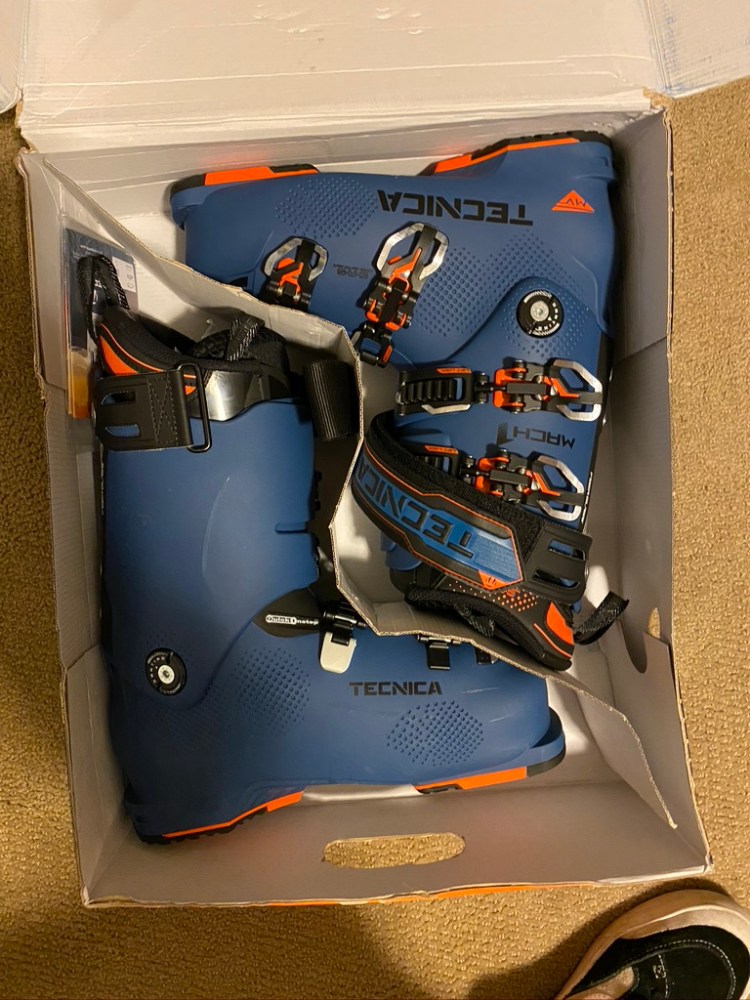
When it comes to buying ski equipment, ski boots should be at the top of your list. Having comfortable or uncomfortable boots can make or break your idea of skiing as a whole, so it is well worth the investment of time and money to get the right ones for you. A great pair will last you for years, save you time at the rental shops trying on countless pairs and can be easily transported around the globe in purposely designed boot bags. Here are 5 considerations when choosing your perfect ski boot.
1. What type of skier are you?
As with all sporting equipment there is considerable variation with what is on the market when it comes to design, usage and price tag. The differences you find in ski boots will relate to your ability level and the type of skiing that you enjoy. For example, a softer boot with a generous flex will be better suited to beginner to intermediate level skiers. It will bend easily when needed and will likely offer more comfort for those not used to being in ski boots. On the other hand, a stiffer boot with less flex would be preferred by advanced or aggressive skiers as they will benefit from the extra responsiveness and added performance that it will promote.
2. What will you use it most for?
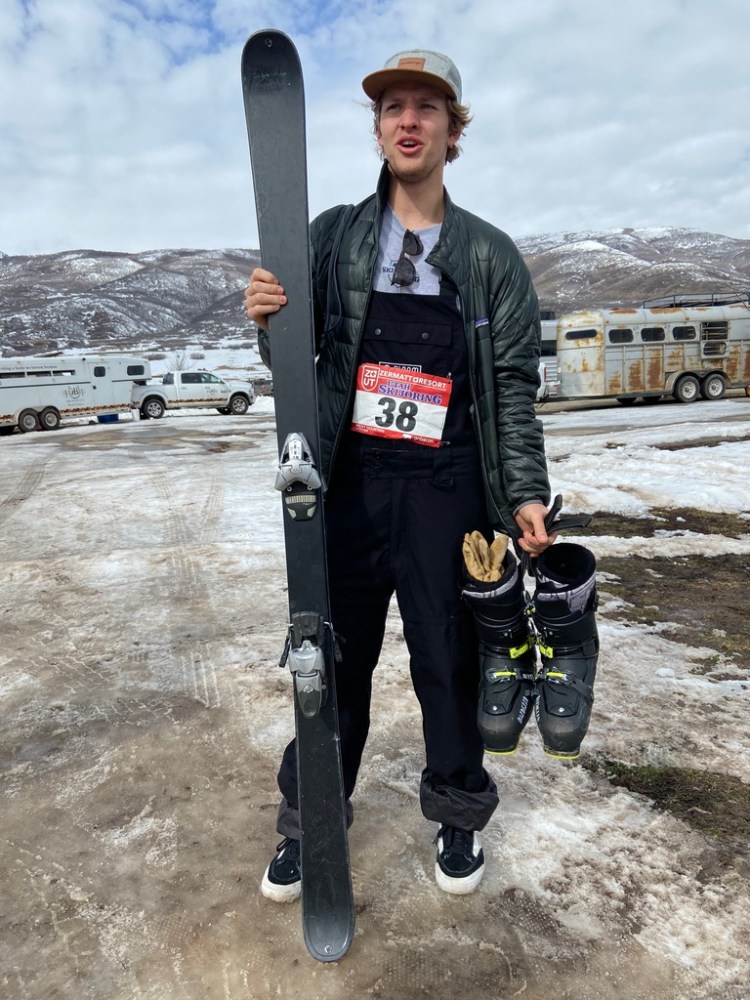
As obvious as this may seem, it is worth taking a moment to envision the circumstances in which you will be using your ski boot. For example, if you are someone with an interest in backcountry skiing, you may want to invest in some touring boots that have both a downhill and walk mode. This means that the cuff of the boot – the section on your lower leg – can either be locked into a fixed `ski mode` for going downhill or can be `free` – allowing some back and forth movement for walking or touring. This walk mode would also be a useful feature for those that enjoy Après ski and maybe in the bars for several hours once they finish skiing; not an uncommon occurrence in Europe.
3. What is your budget?
Now that you have zoned in on what you want your ski boot to do for you, it is important to consider your budget. You will find a large variation in this, but generally speaking you get what you pay for and as a whole – ski boots are pricey. If you are a beginner or occasional skier – there is no need to go all out on all of the latest features, gadgets and accessories, but you do still need a quality, well-fitted boot. For skiers who are on the slopes frequently, it is money well spent to find something that will last for a long time, deliver in its performance and keep you comfortable for years. Heat molding, custom foot beds and even electronic boot warms (if you are prone to cold feet) are some of the additions that you can opt for with new boots.
4. Know your foot
The more you know about your feet and what the problem areas are (if any) the better. While a professional boot fitter will be trained in orthotics, any information or history you have is useful. If your circulation is poor or you have difficulty with finding regular footwear – share that information with the boot fitter. Many brands are better matched to certain foot shapes, and at the same time less suited for others. For example, if you have a particularly wide or deep foot, you may find that a Tecnica or Salomon boot accommodate your feet well, where as a pair of Dalbellos may not. To summarize, the more you know about your own foot shape – the easier it will be for your boot fitter to focus on the right brands.
5. Find a reputable dealer
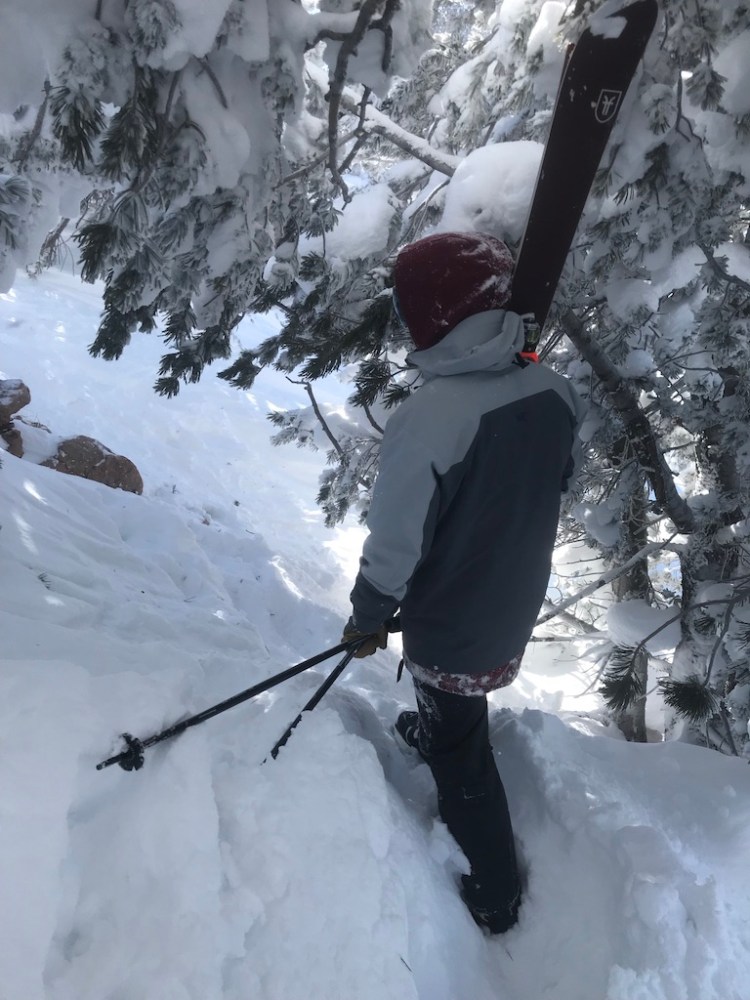
Professional boot fitters should be experienced and knowledgeable but do your research first to make sure that you are choosing one that comes well recommended. Asking friends, acquaintances, your ski instructor or ski industry professional is a good way to find one. And, while they are very clued up on this – do listen to your own body and communicate as best as you can to them. After all, only you know how they feel. It is not uncommon for the first day or so to take a bit of getting used to, and sometimes slightly sore pressure points may become apparent. If they do you can take the boots back to the fitter and have the shell itself re-shaped to relieve the pressure. Blisters, excessive tightness and moderate discomfort however are not normal and should not be ignored. If this does happen, go at once back to the fitter and keep working with them until they are comfortable. `Powering through` when boots are very uncomfortable create problem areas that are then very difficult to negate even with well-fitting boots and can also lead to long term damage.
Common Ski Related Questions…
Common Questions for New Skiers
1. How much is good ski gear?
The better your ski gear the better you’ll feel up on the mountain.
You don’t need to spend thousands of dollars every year (even though others might) on the newest and best ski gear. You can find a good gortex (waterproof) jacket and pants for under $400 for both, really good ski boots for $200, and a good pair of skis and bindings for around $400 as well.
Now as you can see, that is in fact, $1000 dollars, and didn’t I say you didn’t need to spend that much for good ski gear?
So, it’s not that I lied, just starting out with nothing and then wanting a full outfit to go skiing will cost you a lot of money. What I suggest, is renting the bigger ticket items while you slowly, season by season, accumulate more gear. Start off renting your boots, skis and helmet at first and be sure to get yourself a nice warm jacket. If you’re cold on the mountain, you’ll hate everything about skiing.
2. How do I become a better skier?
You’re gonna hate my answer…
Practice
The best way to get better at skiing, is simply going. If you have good form and are comfortable making turns on the mountain, then you are a good skier. As you become more comfortable with going faster while controlling your turns, you will begin to notice that you’ll be having more fun. Once you pass that mental block, and your mindset switches from fear to exhilaration, that’s when you’ve done it. Then you’ll push yourself until you’re scared again, and the cycle begins as you continue to advance.
3. Where is the best place to learn to ski?
This mainly has to do with which ski resorts are available to you. For example, if you live in Utah there are a few resorts where the Blue and Green runs don’t actually feel like Blues and Greens. *cough *cough *Snowbird *cough
Scope out which resorts have good reviews from first time skiers. You’ll want a good resort with enough terrain that you will be able to go from a rolling Green to a steeper Blue and even Black depending on your comfort.
My suggestions for Utah are: Park City/Canyons, Solitude, Brianhead and Snow Basin.
All of these have a good variety of terrain for you to get familiar with.
4. Should I rent or buy gear?
As I mentioned earlier… it is best to purchase some of the less expensive gear first and rent the more expensive gear.
However, if you are dedicated to throwing a double back flip off of the cat track next time you’re at Brighton, then you are going to want to buy your own skis and boots and go every day. Even an hour a day will help you improve immensely.
To sum up, rent if you are going to only go a few times and are new to skiing, and purchase if you are going to master the subtle art of hucking tricks off of cat tracks.
5. What is some ski slang I need to know?
Ok, terms you do not want to be called: Jerry, Kook, Newb, and greenie. The first one is really the only one you’ll hear on the hill. Be sure to familiarize yourself with your gear and don’t do things like ski in jeans, wear your helmet backwards, or fall off the chair lift for example.
Other Terms:
Pow – Fresh powder-like snow
Face Shots – when the pow is so deep the snow sprays you in the face as you descend (hopefully you progress fast enough to get to this, face shots are a religious experience)
Pizza – forming a wedge with your skis to slow down
French Fries – when you keep your skis parallel to each other during your turns
and finally Send It – the most holy of all skier slang. This is what is yelled at friends who encourage each other to make bad decisions (or good ones depending on your point of view). When someone “sends it” they are in complete disregard to their wellbeing and will either go off a massive jump, cliff or something else large and dangerous to impress their friends.
What Type of Skier Are You?
I have spent the few last days perusing YouTube, looking for a video that will help you distinguish different types of skiers. I just so happened to come across the perfect video! In this Dude Perfect video, the creators depict different skiing stereotypes (good and bad), in a humorous fashion. I want you readers to watch this video, and determine which stereotype you fit best, and why. Once you have established which type of skier you are, decide what kind of skier you want to become. Find the pros and cons to help you improve. This video may also help bring to light weaknesses you have in your skiing, that you didn’t recognize until seeing it from someone else’s perspective. To put it short, it will help you be less annoying on the mountain;).
I personally identify as a “Trail Blazer.” When I’m on the mountain, I am constantly looking for fresh pow (untouched snow). I’m that guy that drags you through the trees, just so that I can get a few turns in fresh snow. I’m also that guy that will drop everything INCLUDING my job, (yes i did lose my job last year for a powder day) just for fresh snow. Because of this, I have recognized that I am sometimes not the funnest skiing partner.
I know the video might seem like it was simply filmed for humor or for a good laugh, but I really do think that every skier can learn about themselves by watching this video.
A few honorable mentions in this video that I think a lot of us can relate to are
1. The chairlift struggler: you NEVER want to be this guy. There’s nothing worse than going to get off the lift, just to trip over someone that’s sitting right in your path from falling after getting off the lift. If you need to, hit the bunny hills until you are confident in your ability to get off the lift on the big slopes without falling, and causing a traffic jam!
2. The slope sitter: this one is my fiancé in a nutshell. Her favorite hobby is sitting at the top of ski runs for hours at a time. She sits up there in her own little world, completely oblivious to the fact that everyone is having to dodge her as they come down the slope. She’s also oblivious to the fact that I’ve been sitting at the bottom of the run, waiting for her to get up and come down for the past 20 minutes.
3. Mr excuses: we all have that friend that is the worst to go skiing with, because the whole time, they just make excuses. Instead of admitting they’re just scared or uncomfortable, they’d rather pull excuses like, “my goggles are too dark”, or “my boots are two tight.” With skiing, everything is never going to be perfect. The weather might be a little cloudy, or your fear might not fit perfectly. But the best skiers take advantage of every day they have on the slopes, no matter what the circumstances are like.
I hope you guys will watch this video and take into consideration how you can improve! Let me know what you guys learn about yourselves, and feel free to email me if you end up having any success or failures in your skiing from applying this video!
Five Simple Questions to Ask Yourself
1. What is the problem? Similar to myself when I was younger, individuals have either tried skiing and found they didn’t like it, are scared of winter conditions, or they wish they could ski at a higher level.
2. Why hasn’t the problem been solved? This problem has been solved, however the method of obtaining answers/instruction is complicated. A lot of this type of information/instruction comes with experience. The thought being that the more you ski, then the more you learn and the better you get. While if there was someone who was able to provide this information earlier on in the learning process, it enables individuals to practice safer skiing while putting to practice tips and tricks learned from a blog into their skiing.
3. What’s possible? Lowering risk and eliminating any type of fears that inhibit an individual’s ability to improve their skiing ability.
4. What’s different now? Social media improves the reachability of the information I am looking to share in my blog. A lot of people have given up skiing due to the fact that it is too difficult, they are scared of unsafe conditions or they simply do not know how best to get “into” the sport.
5. What should you do now? These blog posts will be focused on educating the reader on safe ski protocol, simple methods to improve you turns as well as a call to action to those simply waiting for better information before getting started.
3 Things You Need to Know to Start Skiing.
After months of anticipation and preparation, the first snowfall of the year has finally come. The day that a majority of the population dreads while the prayers of skiers around the world have been answered. After arduous work to please the snow gods, they have finally blessed the loyal with a gnarly layer of fresh powder.
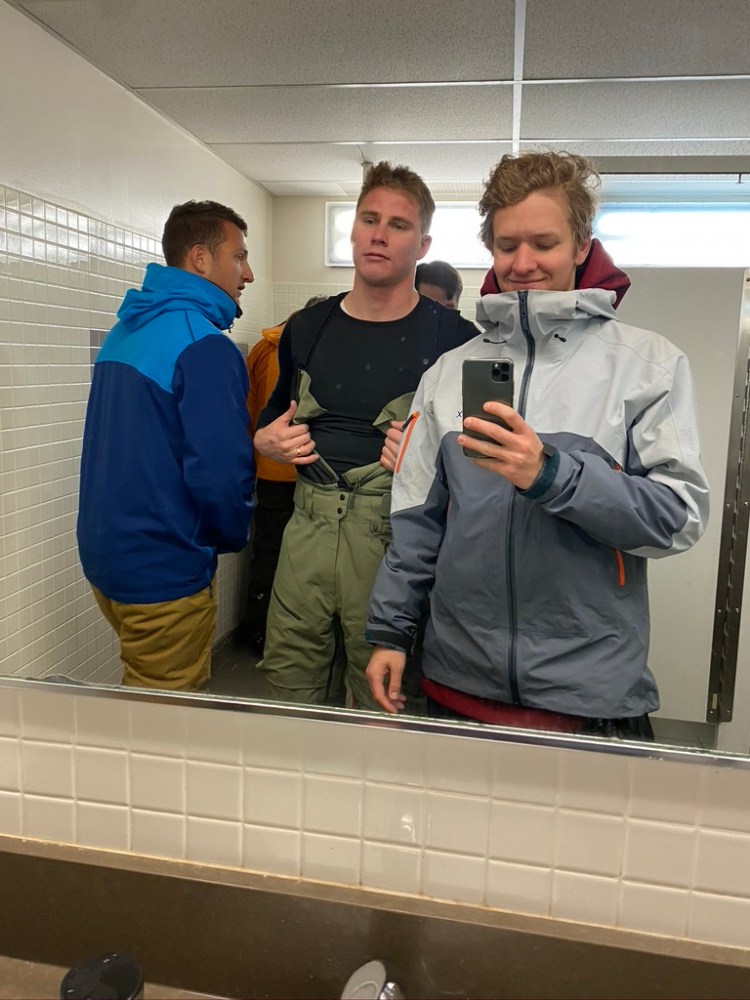
Before you forget all obligations and get out on the mountain, there are a few things that you need to know. Especially if you are a first-time skier and trying to impress your ski bum buddies.
Here are some tips and tricks to keep you from looking like a Jerry your first day out there:
1. Your Gear:
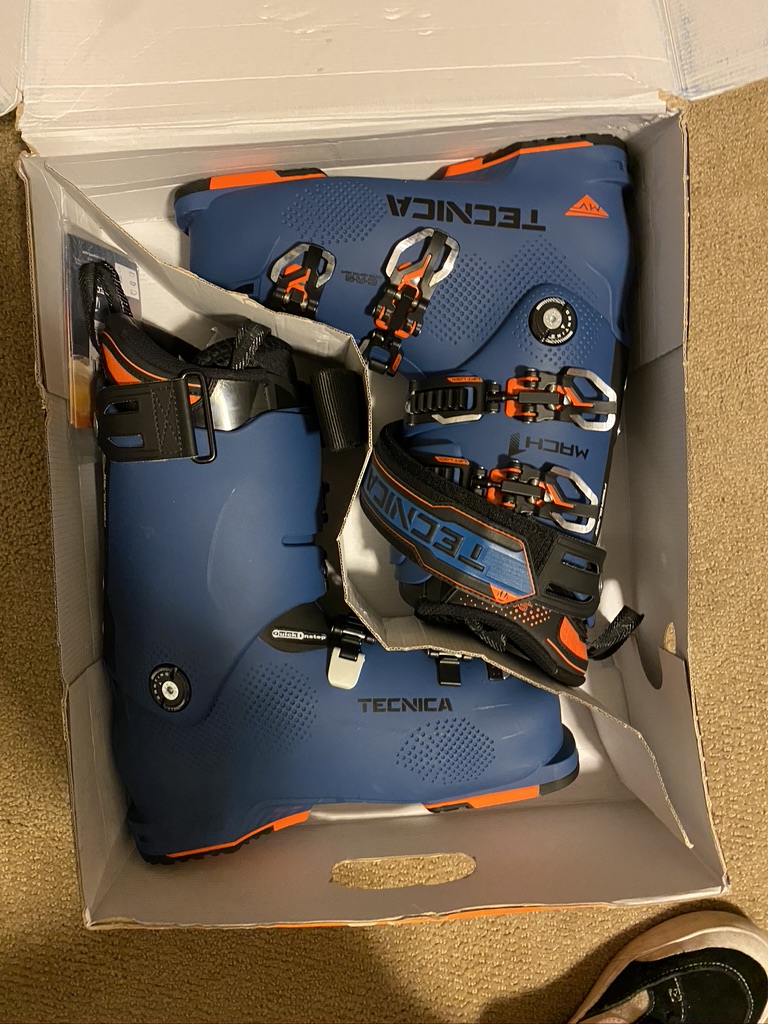
If you have the wrong gear to ski, the day will be spent with numb feet, cold fingers and wet pants. Finding the proper gear will make skiing much more enjoyable. I personally didn’t like skiing until I invested in a $400 pair of ski boots that fit me right. Now I’m not saying that you have to go out and buy hundreds of dollars of new gear, but you do need to be prepared to take your time when renting/borrowing gear.
As I said, boots were what made me enjoy skiing, so when you go to try on boots, ensure that you’re wearing thin wool socks, slide your foot in and put your heel to the back of the boot. The boots will be snug, but not uncomfortable. The better your boots fit, the more control you will have with your skis, the warmer your feet will be and the happier you’ll be on the mountain.
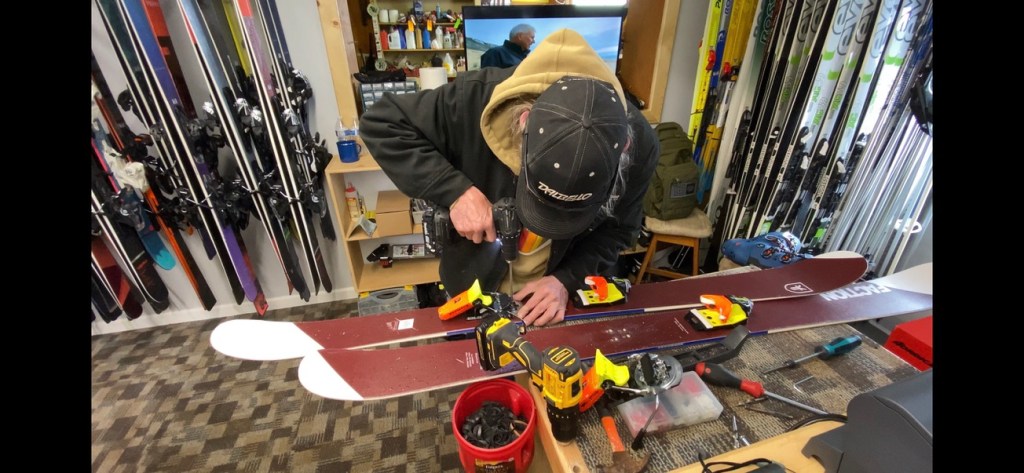
Next up, let’s talk about your skis. There are different skis for different conditions, wider skis with more flex will be better for soft, deep snow, while narrower stiffer skis will be better for hard pack snow and groomed runs (runs that look like corduroy). Be aware of the weather and snow conditions so that you will be able to pick the best ski for the occasion.
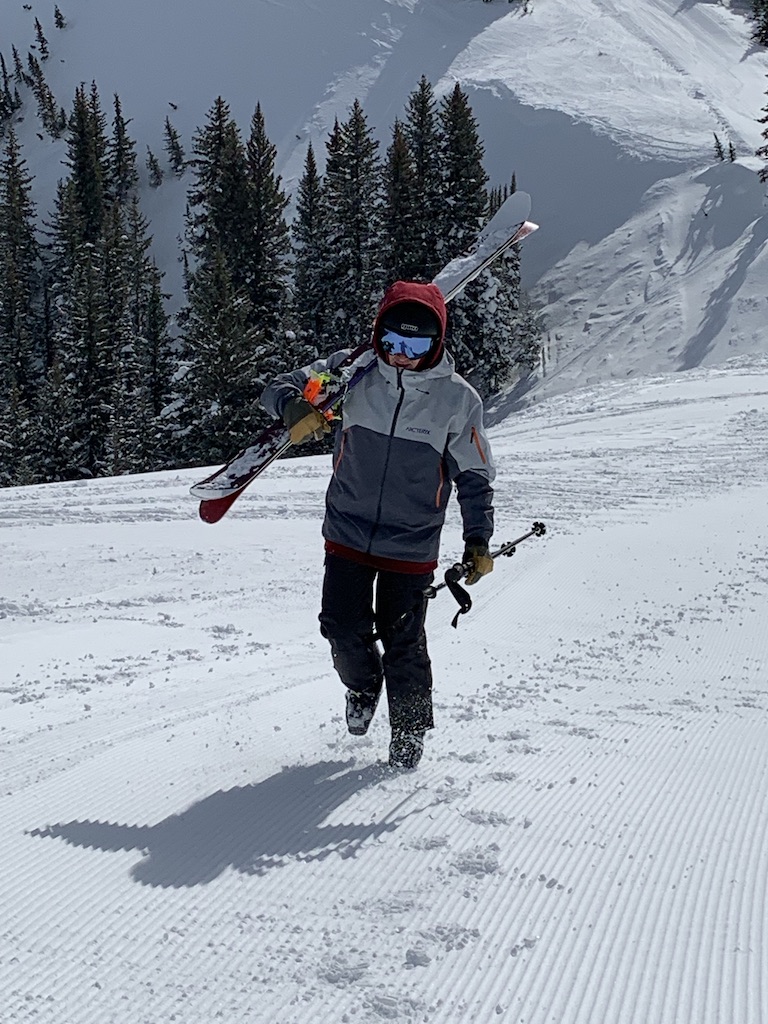
Like with skis, your outer/underwear will need to be appropriate for the weather conditions the day of. Do not wear cotton next to your skin, as it will absorb your heat and make you colder, try to wear thermals and one pair of thin wool socks (more socks will actually make your feet colder). Layer up on your clothes to keep you warm under your shell, or outer layer. Your jacket and especially your snow pants should be waterproof as you’ll most likely fall on your butt a few times throughout the day.
2. Snow Maneuverability:
A skier’s ability to maneuver on a flat or uphill section of snow is what shows how experienced the skier really is.
When on a flat surface, your poles are your friends. You can use them to help propel you forwards. They can be used to “help” but they shouldn’t be the main means of propulsion. While on a flat surface you can use your skis as a kind of skate, and you can use one ski to push you forward while sliding on the other. Using a combination of skating and pushing with your poles can help you get from the lift line to the resort and vice versa.
3. Turning, Stopping and Chair Lifts:
The rule of thumb when it comes to turning is that you start slow and work your way up. Start by taking an athletic stance by flexing your ankles, knees and leaning forward. If you have never skied before, begin your turns by forming an arrowhead with the tips of your skis and slowly start working on turning/leaning right and left. Once you’re comfortable doing that, you can start to bring your skis together to help you better control your turns. Once you can keep your skis parallel you can basically hit any run you set your mind to. Gravity is your friend while making turns. Keep your head and chest forward (downhill) and be sure to move your feet from one turn to the next and you will be surprised at how much control you actually have.
Even though gravity is your friend, there will be times when you need to stop, either suddenly or more gradually. To stop yourself completely and suddenly, you will need to turn and as you turn, lean uphill and dig your skis into the snow. You basically do an exaggerated turn until you’re perpendicular to the hill.
Getting on and off chair lifts is a lot less scary than it seems to be. Be sure you are comfortable moving around on flat snow before you simply run out and hop on the lifts. To get on a lift you simply wait in line until you get to the “Wait Here” spot, then you wait until the chair in front of you passes you and once it’s in front of you, you follow it to where the group in front of you is getting on that chair. You then wait for the chair behind you to come and scoop you up. To avoid any accidents in that process, be sure your poles aren’t planted in the snow, your skis are both clipped in, and you have no loose clothing.
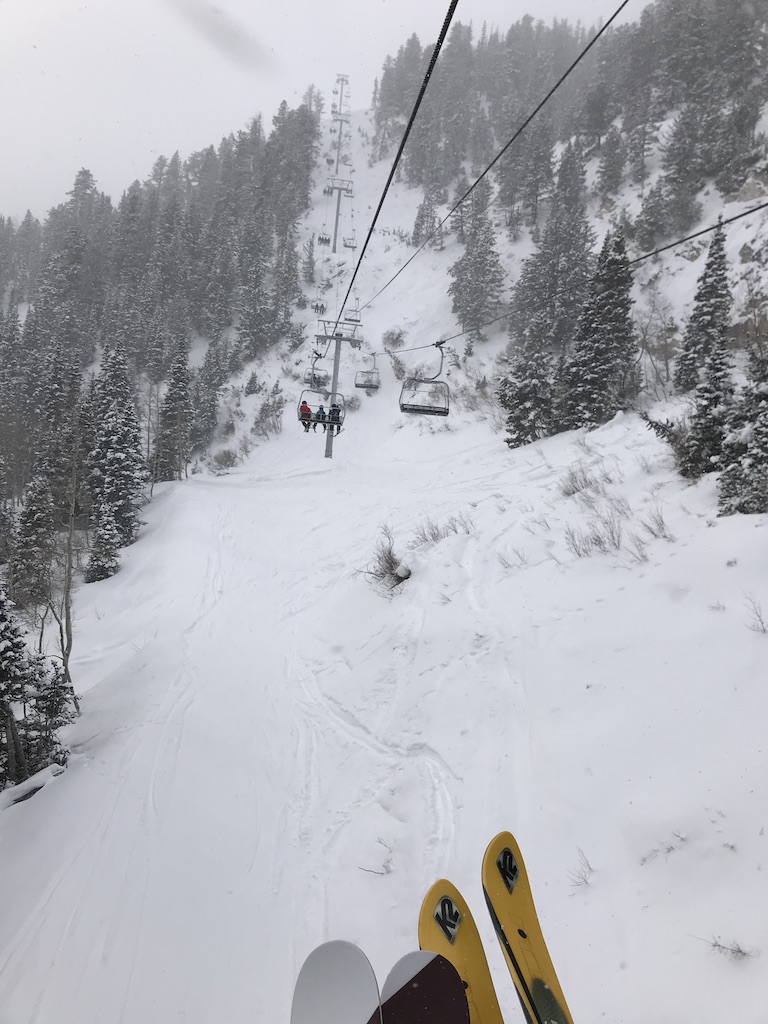
Getting off is just as easy as getting off, you simply wait until the chair gets to the top of the hill, and when your skis touch snow, stand up and slide safely out of the way.
Skiing is the BEST way to overcome those January blues and make you look forward to what many in Utah feel is the longest season of the year.
My Objective
I will be working on this blog to help individuals get more into skiing, as well as instructing them on how to avoid potential catastrophes. This blog will focus on individuals between the ages 18-45, whom are looking for an outdoor hobby, to improve their current technique, or would like to know more about skiing conditions and how to stay safe. Growing up near some of the most famous ski resorts in the world has inspired me to learn all I can about the sport and how to be safe while being staying active and enjoying the outdoors.
 Steve Skis